
Osteopathy – Mindfulness for the Body

The Principle
Osteopaths do not view the human body solely in terms of where it hurts. Bones, joints, muscles, fascia, organs, blood and lymph vessels, and the nervous system are all closely interconnected. If mobility or function is restricted in one area, the body can initially compensate for this. If the disturbance persists, symptoms may develop—often in a completely different area. The goal of treatment is to identify the cause and support the body’s self-regulation.
The Three Areas
Traditionally, osteopathy is divided into three areas that are interrelated in practice:
- Parietal Osteopathy: It treats the musculoskeletal system—that is, the joints, spine, muscles, tendons, and ligaments.
- Visceral Osteopathy: This focuses on the internal organs and their mobility, suspension, and blood supply.
- Craniosacral Osteopathy: This focuses on the skull, spine, sacrum, and surrounding tissues, as well as tensions in the meninges and spinal meninges.
What is the treatment process like?
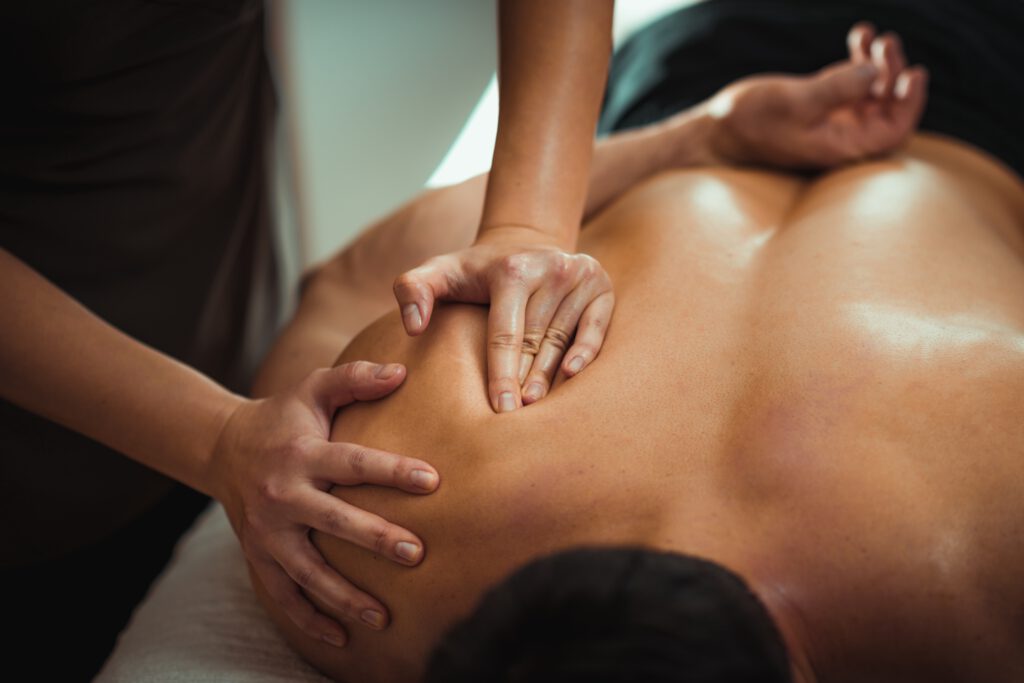
The session begins with a detailed discussion of symptoms, medical history, lifestyle, and any previous injuries or surgeries. This is followed by a physical examination: posture, range of motion, and tissue tension are assessed using the hands and through specific tests. The subsequent treatment is performed exclusively by hand. Depending on the findings, gentle stretches, mobilization techniques, manual tissue manipulation, or finely tuned impulses are used. A session usually lasts about 45 minutes, and appointments are typically spaced several weeks apart to allow the body time to respond to the treatment.
When might osteopathy be helpful?
Common reasons for seeking treatment include back, neck, and joint pain; headaches and migraines; muscle tension; digestive problems; the aftereffects of accidents or surgeries; and discomfort during pregnancy. It is also used for infants and children, for example, to address digestive problems or postural issues. In addition, many people use osteopathy as a complementary therapy for sports or for preventive care.Common reasons for seeking treatment include back, neck, and joint pain; headaches and migraines; muscle tension; digestive problems; the aftereffects of accidents or surgeries; and discomfort during pregnancy. It is also used for infants and children, for example, to address digestive problems or postural issues. In addition, many people use osteopathy as a complementary therapy for sports or for preventive care.
Grenzen und Hinweise
Osteopathie versteht sich als Ergänzung und nicht als Ersatz für die ärztliche Behandlung. Bei akuten, schweren oder unklaren Beschwerden, bei Fieber, Lähmungserscheinungen oder Verdacht auf ernsthafte Erkrankungen sollte zunächst ein Arzt aufgesucht werden. Die wissenschaftliche Studienlage fällt je nach Beschwerdebild unterschiedlich aus, bei Rückenschmerzen ist sie am besten belegt. Die Berufsbezeichnung ist in Deutschland nicht einheitlich geschützt, daher lohnt es sich, auf eine fundierte, mehrjährige Ausbildung zu achten. Ob und in welcher Höhe die gesetzliche Krankenkasse die Kosten bezuschusst, hängt von der jeweiligen Kasse ab.
Our Offer
Contact
+49 30 2478 1678
+49 179 460 4375
praxis@thefamilyosteopath.de
Bergstraße 27, 10115 Berlin
Gardenhouse in 2nd backyard