
Osteopathy for Pelvic Floor Issues

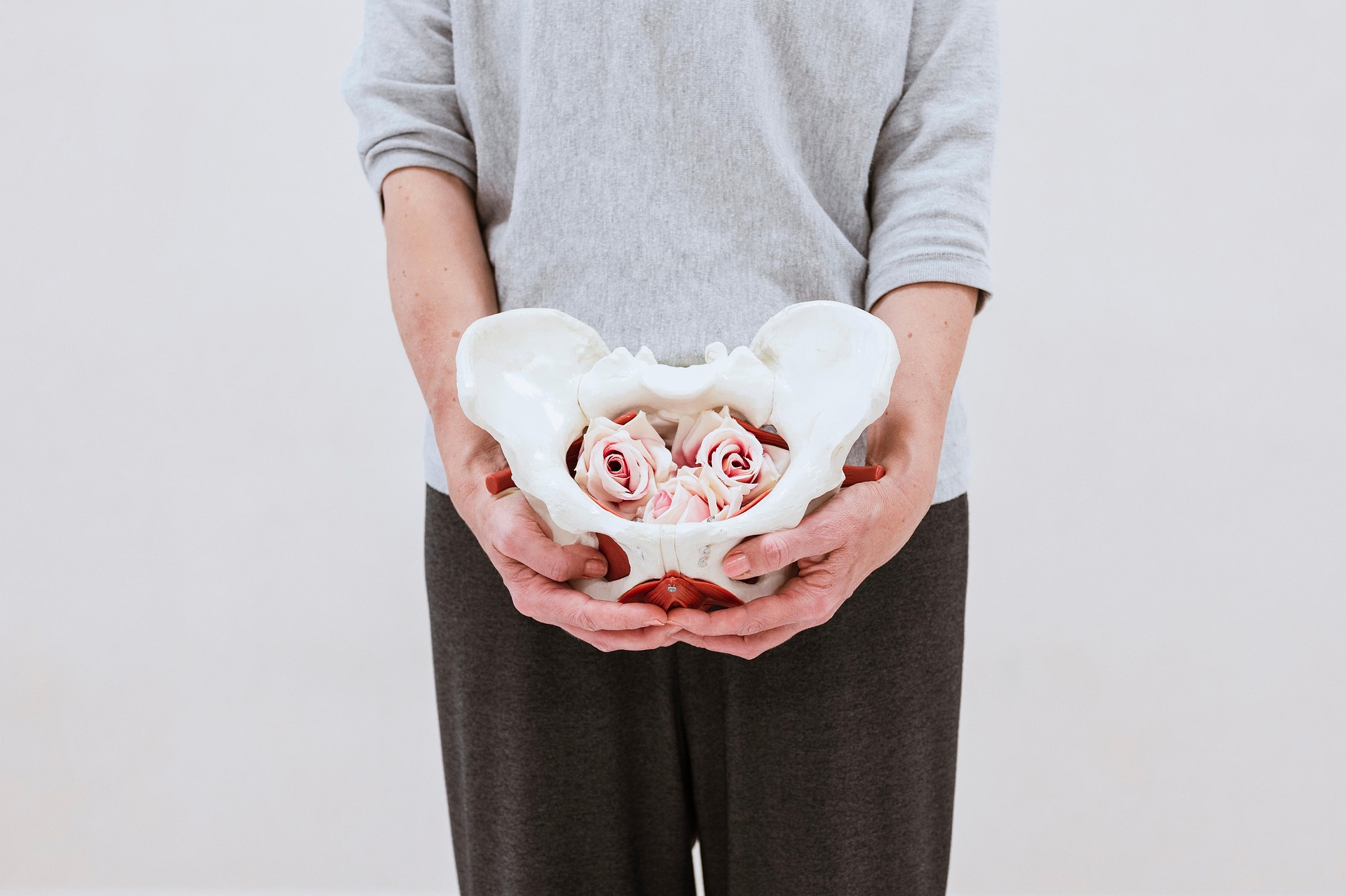

The Strong Foundation of Our Core
The pelvic floor is a network of muscles, connective tissue, and fascia that forms the floor of the pelvis. It supports the organs of the pelvis, aids in continence, plays a role in sexual function, and works closely with the respiratory system, core muscles, and spine. When this interaction is disrupted, a wide range of symptoms can arise, which often place a heavy burden on those affected and are rarely discussed openly.
Common Symptoms
These include, among others:
- Pain in the pelvis, lower abdomen, or in the area of the perineum, tailbone, and pubic bone
- Urge to urinate, frequent urination, or involuntary urine leakage
- Difficulty with bowel movements or constipation
- Pain during sexual intercourse
- A feeling of pressure or heaviness in the pelvis
- Back pain or pain in the sacroiliac joint, which may be related to the pelvic floor
Possible triggers include pregnancy and childbirth, pelvic surgery, prolonged sitting, chronic muscle tension, stress, postural problems, or hormonal changes.
The Osteopathic Approach
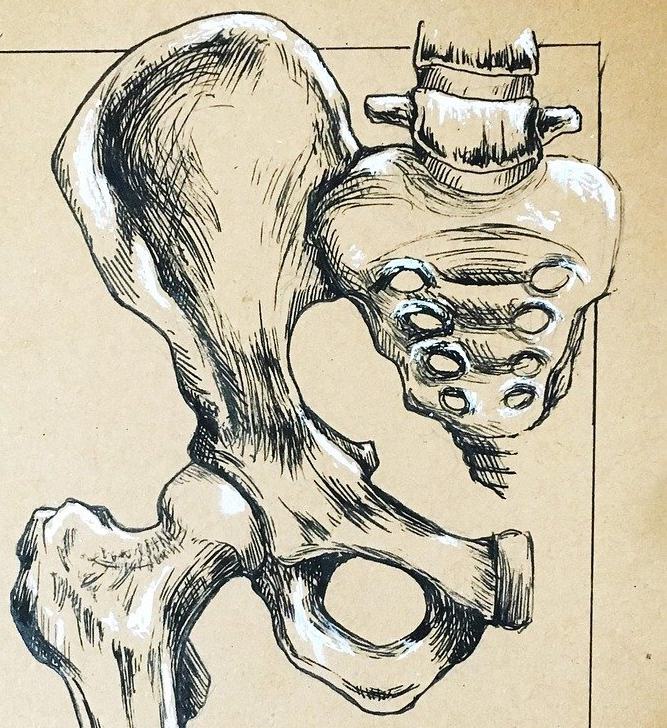
Osteopathy views the body as a functional unit. Therefore, pelvic floor issues are not viewed in isolation but in relation to the pelvis, lumbar spine, hips, diaphragm, abdominal cavity, and scar tissue. Treatment is performed exclusively by hand and may include the following elements:
- Parietal techniques: Mobilization and stretching of joints, muscles, and fascia in the area of the pelvis, sacrum, coccyx, hips, and spine
- Visceral techniques: Gentle treatment of the pelvic organs and their attachments to improve mobility and gliding ability
- Diaphragm and breathing work: Since the diaphragm and pelvic floor move together with every breath, treatment of the diaphragm can also affect the pelvic floor
- Scar tissue treatment: for example, following a cesarean section, episiotomy, or abdominal surgery
- Craniosacral techniques: gentle impulses aimed at regulating tension and promoting relaxation
The treatment is often supplemented with advice on posture, breathing, and daily habits.
What the Research Says
Many patients report relief from osteopathic treatment, particularly for muscle-related tension and pain. However, the body of scientific research on pelvic floor symptoms is still limited, and the validity of many studies is questionable. Osteopathy should therefore be viewed as a complementary approach and not as a substitute for a medical evaluation or established therapies such as specialized pelvic floor physical therapy.
When should you see a doctor first?
If you experience any of the following symptoms, you should consult a doctor before undergoing osteopathic treatment:
- Blood in the urine or stool
- Fever accompanied by pelvic pain
- Sudden, severe pain
- New-onset loss of bladder or bowel control
- Numbness in the genital or buttock area
- Unintentional weight loss
Treatment Process
The session begins with a detailed discussion of symptoms, medical history, surgeries, childbirth, and lifestyle. This is followed by an assessment of posture, range of motion, and muscle tension. Treatment is typically performed with the patient fully clothed and involves external manipulation, often focusing on the abdomen, pelvis, back, and hips. Internal techniques are performed only after the patient has been fully informed and has given explicit consent. It is often beneficial to schedule several sessions spaced a few weeks apart.
Conclusion
Osteopathy can be a useful complement to treatment for pelvic floor issues, especially when tension, scar tissue, or restricted movement in the pelvis are factors. It is important to have a thorough diagnosis, realistic expectations, and, ideally, collaboration with doctors and physical therapists.

Our Offer
Contact
+49 30 2478 1678
+49 179 460 4375
praxis@thefamilyosteopath.de
Bergstraße 27, 10115 Berlin
Gardenhouse in 2nd backyard