
Osteopathy for Babies and Children—In Good Hands from the Very Beginning

Gentle Support for the Start of Life
The first few weeks with a newborn are truly special. But they can also be challenging if your baby cries a lot, is hard to soothe, or has trouble feeding and sleeping. At our practice, we support parents and their little ones during this sensitive time with osteopathy.
What is Osteopathy for babies?
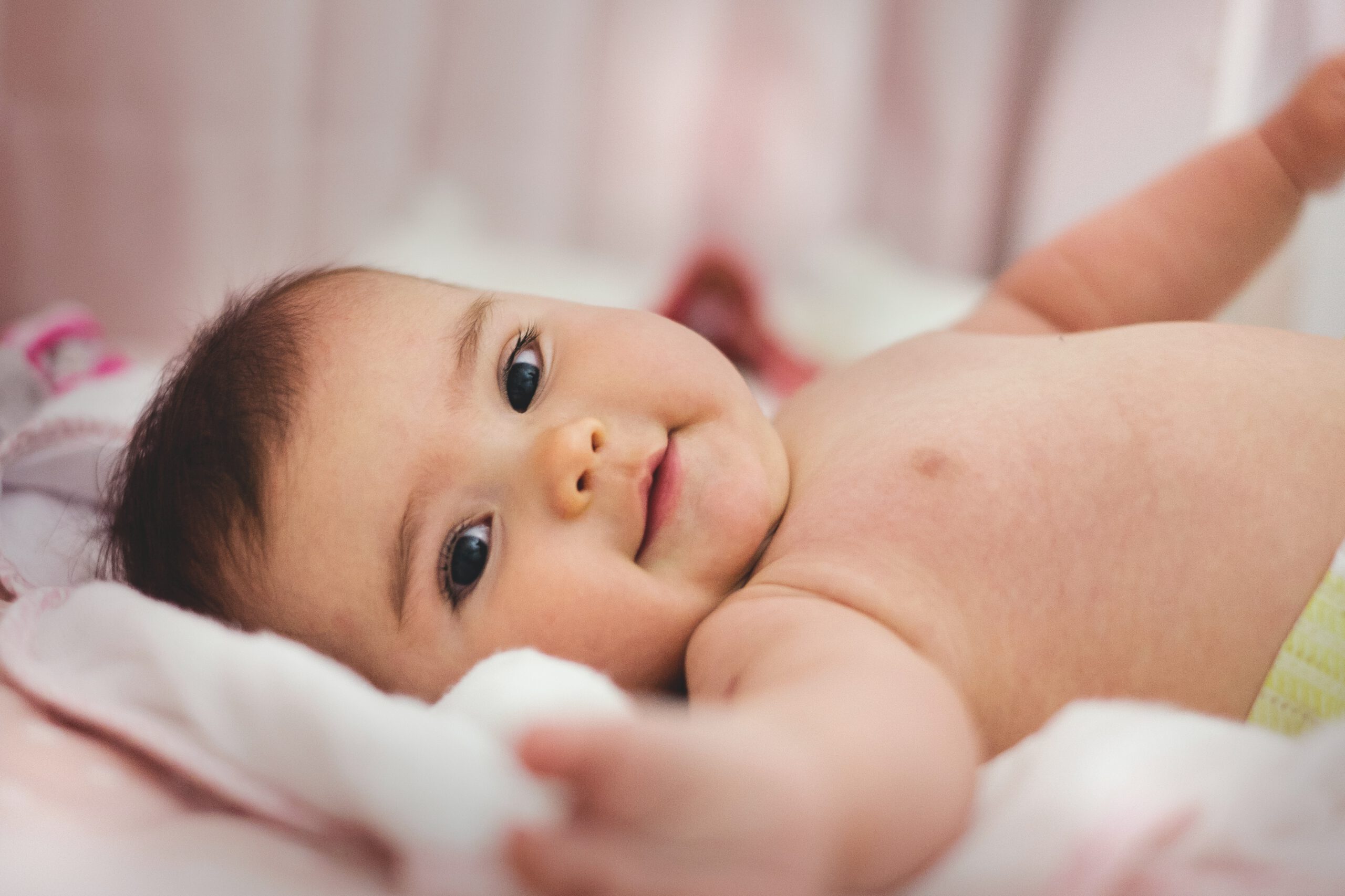
Osteopathy is a form of manual therapy. We examine your baby with our hands and release tension and restrictions in movement using very gentle techniques. For your child, it feels more like being gently held and stroked than like a treatment. Pregnancy and birth are major physical challenges for babies, and sometimes tension remains as a result.
Here's how an appointment works
We’ll start by taking the time to have a detailed conversation about your pregnancy, the birth, and your baby’s development so far. Afterward, we’ll observe how your child moves and gently examine him or her. The treatment takes place in a calm atmosphere, often on your lap or on a soft mat. You’re welcome to take breaks for breastfeeding, feeding, or cuddling at any time. Your baby sets the pace.
Costs
More and more public health insurance plans are reimbursing a portion of the costs for osteopathic treatment. Please check with your health insurance provider in advance to find out the terms and conditions.
Our Approach
Osteopathy is not a substitute for medical care, but it can be a useful complement to it. To date, there have been few conclusive studies on its effectiveness in infants; however, many parents report positive experiences. Therefore:
- If your child has a fever, refuses to drink, has breathing problems, is unusually sleepy, or is crying inconsolably for an extended period, please consult your pediatrician first.
- Years of experience, ongoing professional development, and collaboration within our team enable us to provide treatment tailored to your child and your family.
When might Osteopathy be helpful?
For example, parents come to us with the following concerns:
- Frequent crying and restlessness, such as with three-month colic
- Gas, spitting up, or stomachaches
- Feeding and swallowing difficulties
- Sleep problems
- Tendency to hyperextend
- Preferred head position or lying on one side
- Flat spot on the back of the head
- Difficult births, such as those following a C-section, vacuum extraction, or forceps delivery
Support Through Growth and Change
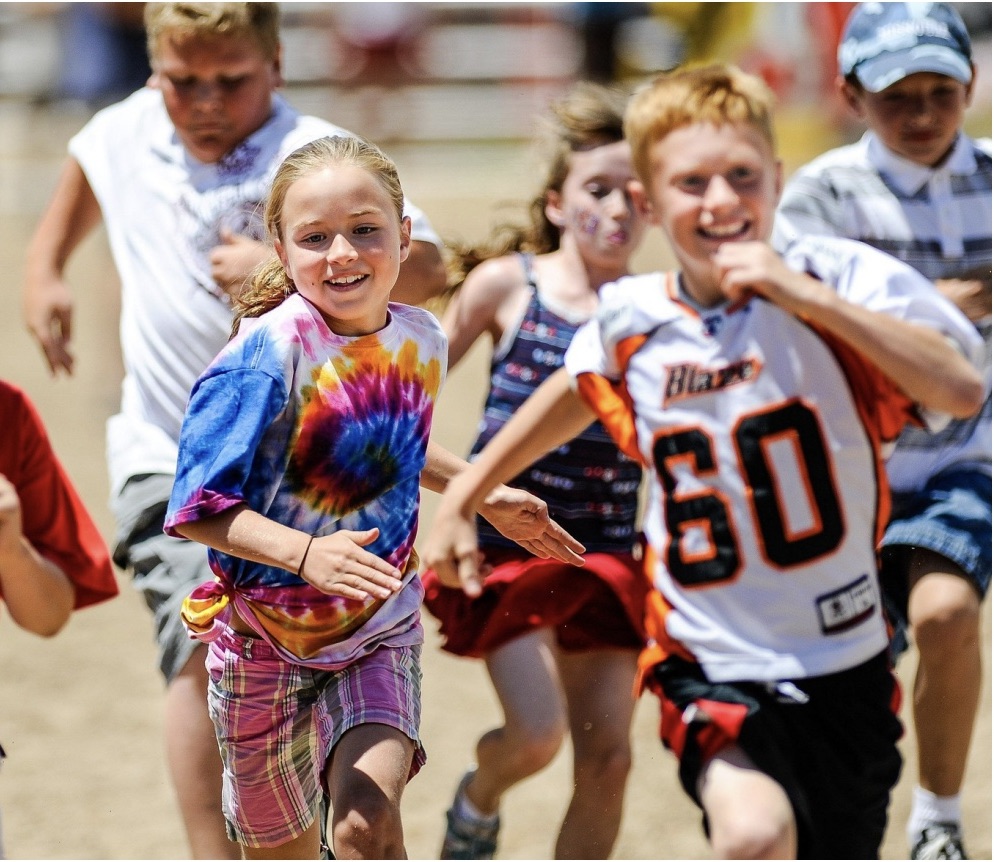
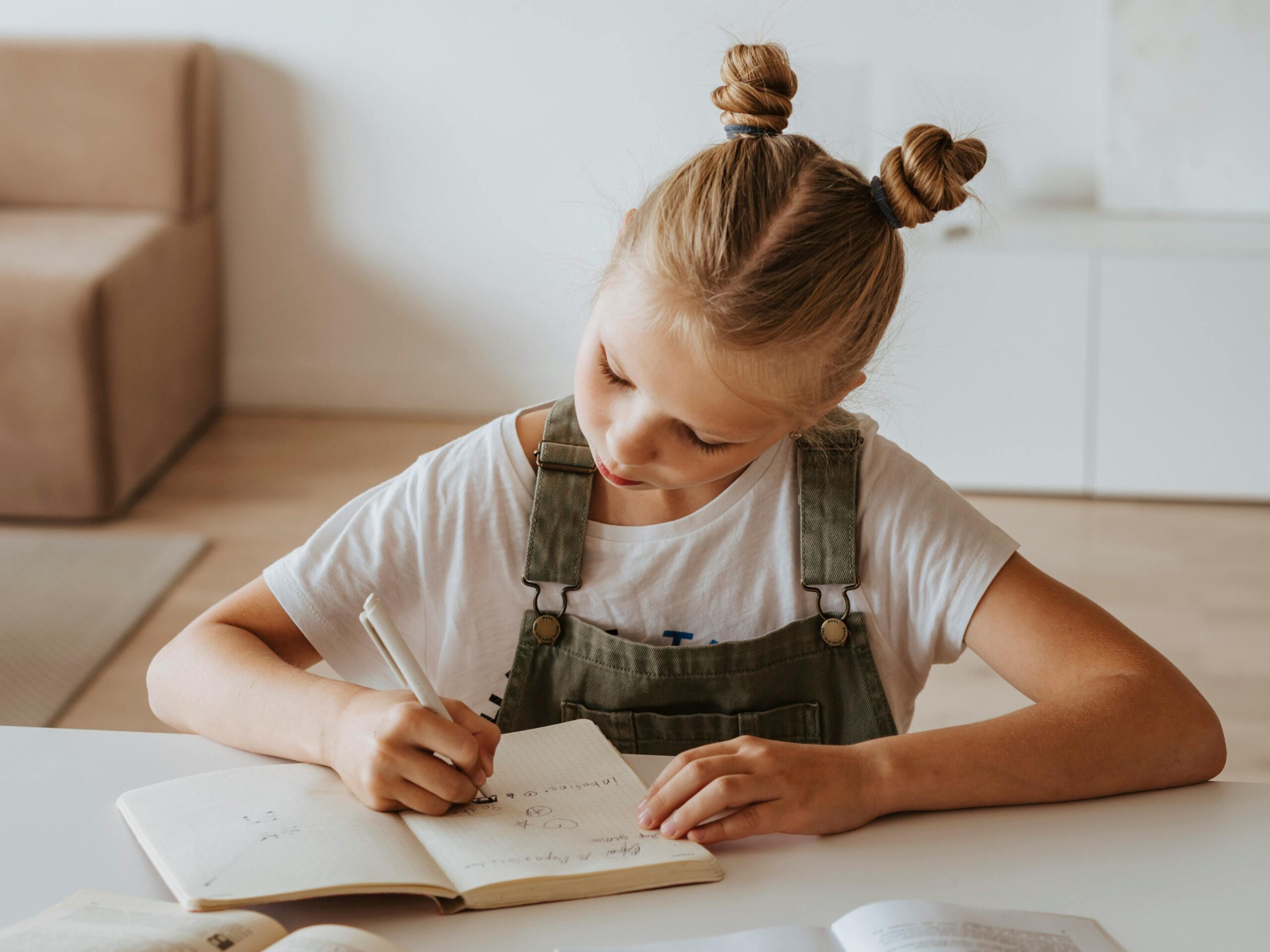
Children and adolescents are constantly developing. They grow in spurts, run around, play sports, and in between, spend many hours at school or in front of a screen. That’s a lot for the body to handle. In my practice, I use osteopathy to support children, adolescents, and their families during this dynamic phase of life.
What is Osteopathy for older children and adolescents?
Osteopathy is a form of manual therapy. We examine the entire body with our hands, identify areas of tension and restricted movement, and release them using targeted, gentle techniques. In doing so, we focus not only on the area that hurts, but also on how the body, posture, and movement interact. The treatment is gentle and comfortable for your child.
Here's how an appointment works
We’ll start by calmly discussing your child’s symptoms, their history, and their daily routine. We make a point of involving older children and teenagers in this process, because they know best how they’re feeling. This is followed by an assessment of mobility and posture, and then the actual treatment. We explain what we’re doing and take as much time as your child needs. Teenagers, in particular, appreciate being taken seriously. Parents are welcome to be present, but with teenagers, it’s also perfectly fine if they’d rather be alone.
At the end, we often provide simple tips for daily life—for example, regarding exercise, sitting posture, or compensatory exercises.
Sports and Performance
Active children and teenagers are especially close to our hearts. We work with professional and competitive athletes and also help young talents stay flexible, resilient, and healthy. In addition, we offer nutrition and lifestyle counseling as well as Kinesio taping.
Costs
More and more public health insurance plans are reimbursing a portion of the costs for osteopathic treatment. Please check with your health insurance provider in advance to find out the terms and conditions.
Our Position
Osteopathy is a complement to, not a substitute for, medical care. While research on its effectiveness in children and adolescents is limited, many families report positive experiences. Therefore:
- In cases of persistent, severe, or nighttime pain, fever, weight loss, swelling, or numbness, please consult your pediatrician first to determine the cause.
- Postural issues, such as possible scoliosis, require medical evaluation. Osteopathy can complement this care but cannot replace it.
Our many years of experience—including as an instructor—and our ongoing professional development form the foundation for treating your child responsibly and with a personalized approach.
When do families visit us?
Typical reasons for seeking treatment include, for example:
- Growth-related complaints, such as pain in the knees, heels, or back during growth spurts
- Postural issues and muscle tension, for example due to prolonged sitting, heavy backpacks, or spending a lot of time on a smartphone
- Headaches and neck pain
- Sports injuries and overuse, whether in recreational or competitive sports
- Ailments following falls or accidents
- Jaw and dental issues, such as those accompanying orthodontic treatment
- Digestive problems and abdominal pain, provided that organic causes have been ruled out by a doctor
Our Offer
Contact
+49 30 2478 1678
+49 179 460 4375
praxis@thefamilyosteopath.de
Bergstraße 27, 10115 Berlin
Gardenhouse in 2nd backyard