
Osteopathy for Expectant Mothers

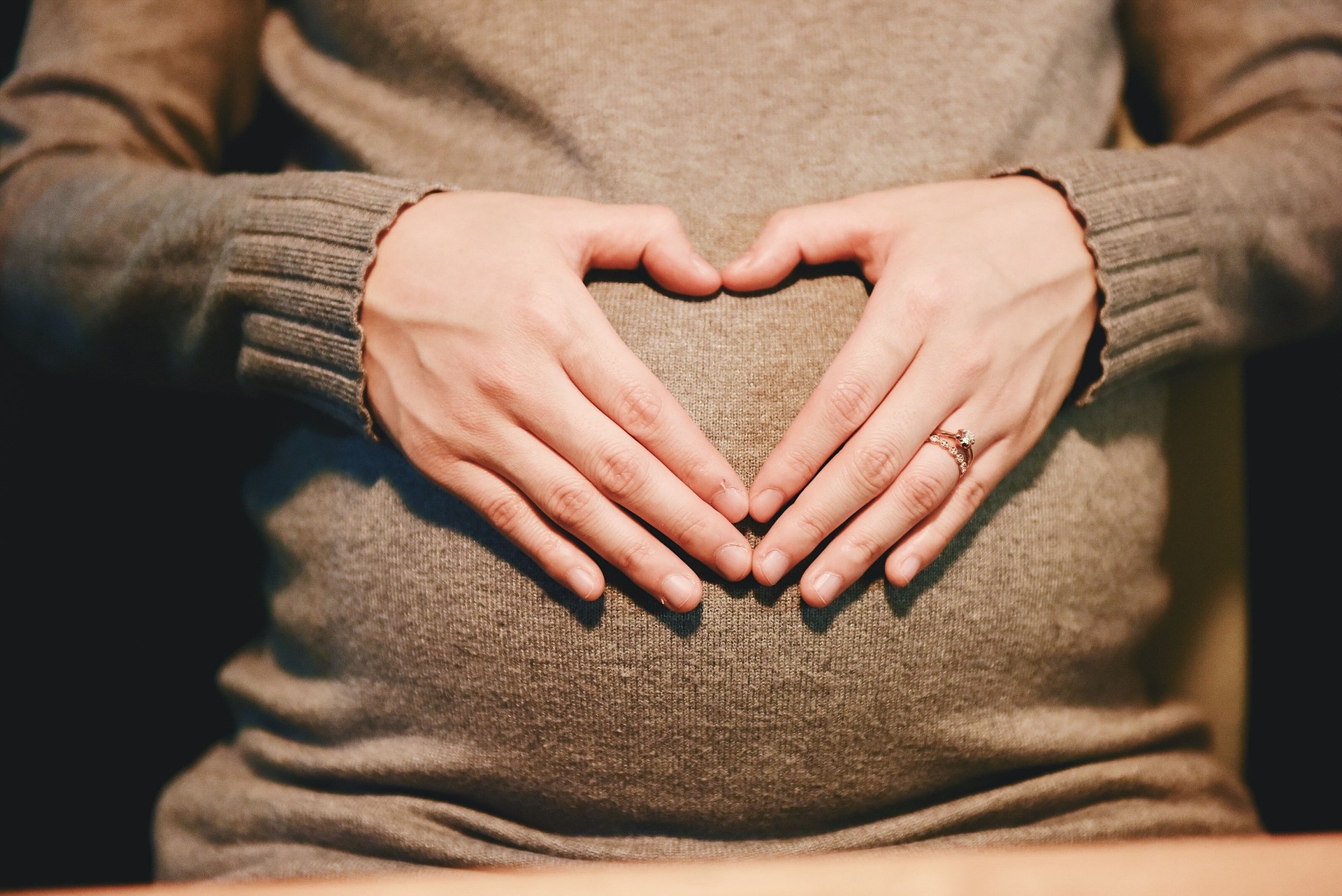

Gentle Support for a Special Time
Pregnancy fundamentally changes the body. The abdomen grows, the center of gravity shifts forward, hormonal changes loosen ligaments and joints, and the pelvis prepares for childbirth. Many women experience symptoms such as back pain, pelvic girdle pain, sciatic nerve irritation, heartburn, or sleep problems. Osteopathy can provide gentle support in these situations. The treatment aims to release tension and improve mobility so that the body can better adapt to these changes.
What is Osteopathy?
Pregnancy fundamentally changes the body. The abdomen grows, the center of gravity shifts forward, hormonal changes loosen ligaments and joints, and the pelvis prepares for childbirth. Many women experience symptoms such as back pain, pain in the pelvic girdle, sciatic nerve irritation, heartburn, or sleep disturbances. Osteopathy can offer gentle support in such situations. The treatment aims to relieve tension and improve mobility so that the body can better adapt to these changes.
Here's how an appointment works
The session begins with a detailed discussion about the course of the pregnancy, any symptoms experienced so far, and any pre-existing medical conditions. This is followed by a physical examination, usually while sitting, standing, or lying on one’s side. The techniques are gentle and are adapted to the specific stage of pregnancy. A treatment session typically lasts 45 minutes.
Costs
More and more public health insurance plans are reimbursing a portion of the costs for osteopathic treatment. Please check with your health insurance provider in advance to find out the terms and conditions.
Starting when, and how often?
In general, treatment is possible at any stage of pregnancy. Many women begin treatment in the second trimester, when their symptoms worsen. The number of sessions needed depends on the symptoms; often, just a few sessions are sufficient.

Important Information
Osteopathy is not a substitute for medical care or care provided by a midwife. In the event of bleeding, severe pain, fever, sudden swelling, or signs of a complication, you should always seek medical advice first. Inform your osteopath that you are pregnant and make sure they have proper training. Whether your health insurance covers part of the costs depends on your specific plan; it’s worth checking the policy terms or asking your provider.
When might Osteopathy be helpful?
Osteopathic treatment can provide relief and improve well-being for the following conditions during pregnancy, in preparation for childbirth, and after childbirth:
- Back, sacrum, and pelvic pain
- Pain in the pubic bone area (symphysis)
- Sciatica and pain radiating into the legs
- Digestive issues, heartburn, and constipation
- Breathing difficulties due to lack of space in the chest
- Water retention and heavy legs
- Sleep disturbances and general tension
- Preparing the pelvis and body for childbirth
Our Offer
Contact
+49 30 2478 1678
+49 179 460 4375
praxis@thefamilyosteopath.de
Bergstraße 27, 10115 Berlin
Gardenhouse in 2nd backyard